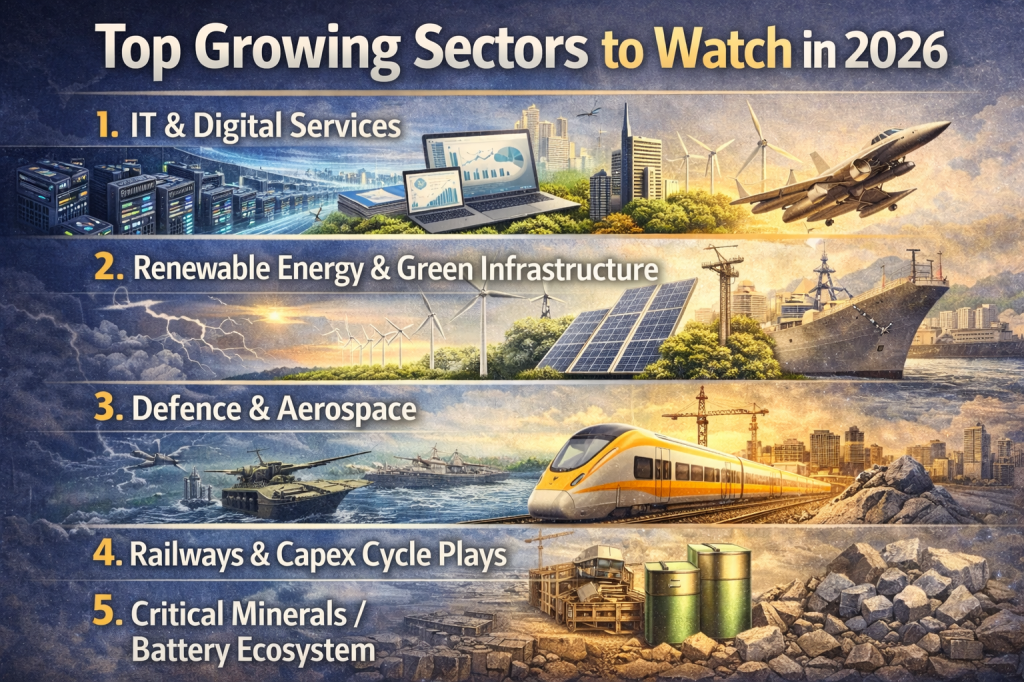
As we step into 2026, the Indian stock market continues to show resilience and promise, driven by a mix of government initiatives, technological advancements, and global economic shifts. With India’s economy projected to maintain strong growth, certain sectors are poised for significant expansion. In this post, I’ll dive into five high-potential areas that savvy investors should keep an eye on: IT & Digital Services, Renewable Energy & Green Infrastructure, Defence & Aerospace, Railways & Capex Cycle Plays, and Critical Minerals / Battery Ecosystem. These sectors are heating up due to policy support, rising demand, and strategic investments, making them standout opportunities in the Indian markets.
IT & Digital Services: AI, Cloud, and Global Recovery Fuel the Boom
India’s IT sector has long been a cornerstone of the economy, and 2026 looks set to accelerate its trajectory. IT spending in India is expected to reach $176.3 billion this year, marking a 10.6% increase from 2025. This growth is propelled by massive investments in AI infrastructure, data centers, and cloud services, with the data center systems segment projected to surge by 20.5%. The return of global deals, coupled with enterprise focus on application modernization and consulting, is driving double-digit growth in IT services, averaging 12-14% over the coming years. Factors like data sovereignty requirements and India’s vast consumer base for AI services are attracting international capital, positioning the sector for sustained momentum.
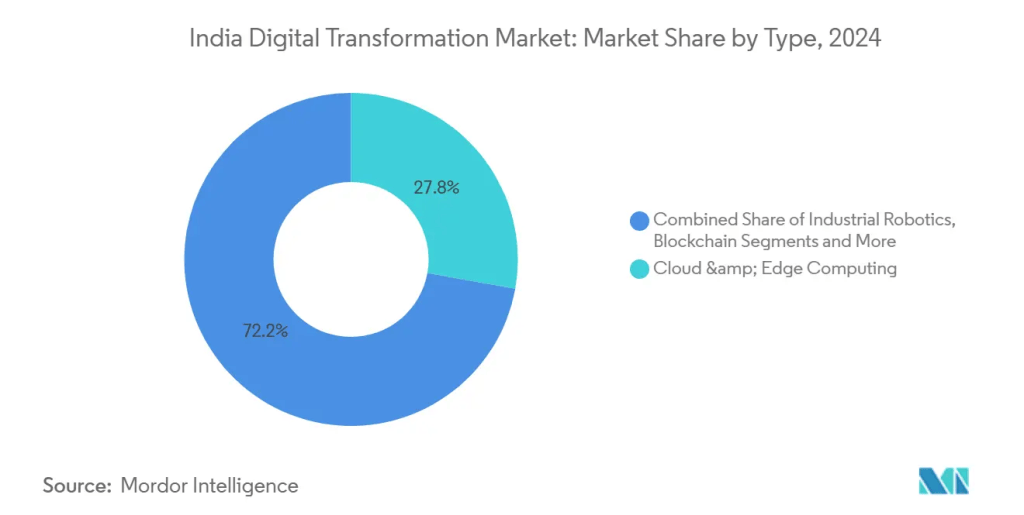
With trends like edge computing and blockchain gaining ground, companies in this space could see robust stock performance as digital transformation becomes non-negotiable for businesses worldwide.
Renewable Energy & Green Infrastructure: Accelerating Toward a Sustainable Future
India’s push for clean energy is gaining unprecedented speed, with renewable sources already accounting for nearly 50% of installed capacity—a milestone achieved five years ahead of the 2030 target. By 2050, renewables are forecasted to make up 57% of the generation mix, with wind and solar contributing over half. This surge is fueled by government incentives, grid modernization, and massive capex in EV infrastructure and energy storage, requiring around $145 billion in annual investments to balance growth and net-zero goals. Green hydrogen and biofuels are emerging as key players, supported by policy reforms and international partnerships.
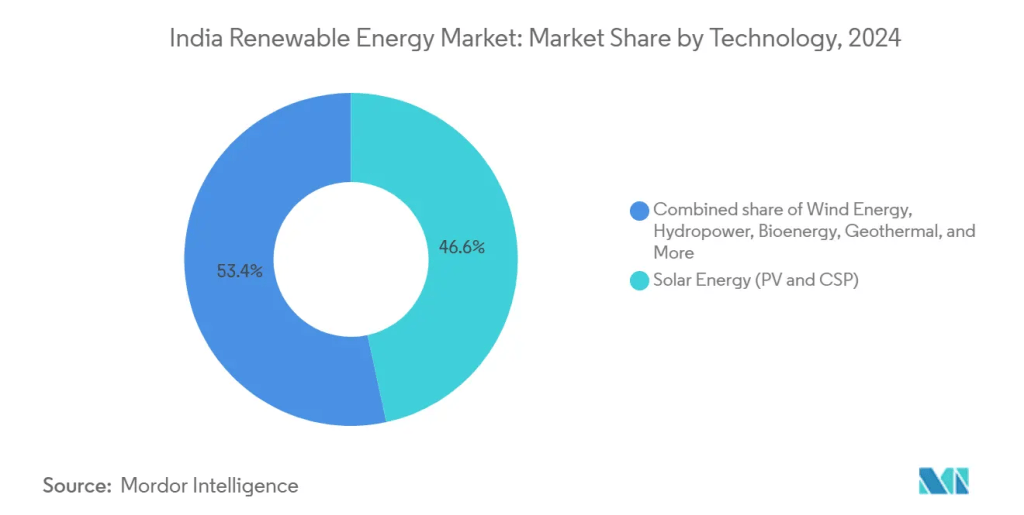
As global demand for sustainable solutions rises, Indian firms in solar, wind, and green infrastructure stand to benefit from export opportunities and domestic projects, making this sector a hotbed for long-term value creation.
Defence & Aerospace: Self-Reliance and Exports Drive Expansion
The defence and aerospace sector in India is undergoing a transformative phase, with the market valued at $31.76 billion in 2026 and projected to reach $38.73 billion by 2031 at a 4.05% CAGR. Geopolitical tensions and the Atmanirbhar Bharat initiative are accelerating indigenous production, with exports hitting $2.8 billion in 2024-25 and targeting $5.9 billion by 2029-30. Budget 2026 is expected to emphasize capital support, MSME incentives, and procurement reforms to build scale. Hiring in defence-tech has nearly doubled to 7,000 roles, focusing on radar and secure communications, while aerospace sees growth in civil aircraft manufacturing and advanced technologies like AI and eVTOL.
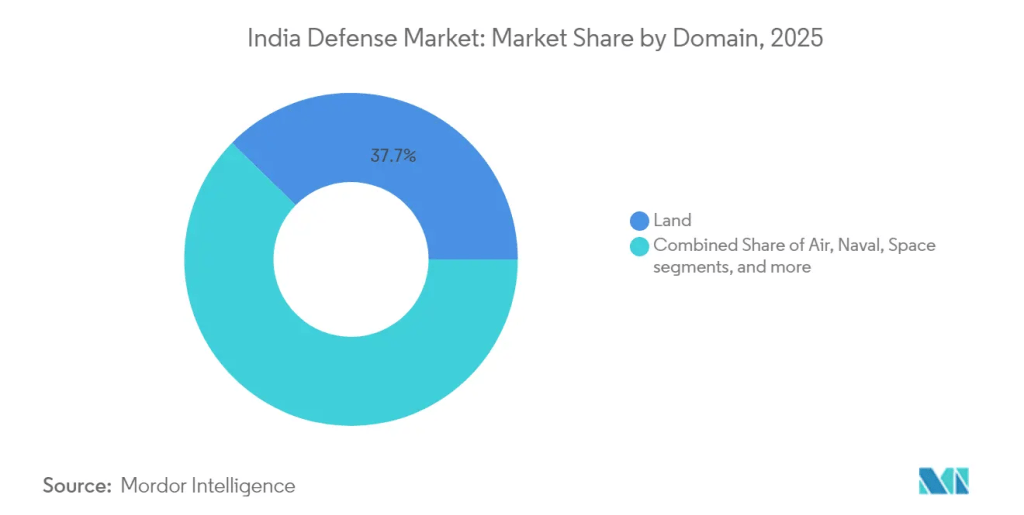
This sector’s momentum, backed by record production and global demand, positions it as a defensive play with offensive growth potential in volatile markets.
Railways & Capex Cycle Plays: Modernization and Infrastructure Lead the Charge
A decade of sustained capex has revolutionized Indian Railways, with allocations potentially rising to Rs 2.7-2.9 lakh crore in Budget 2026, a 10-12% increase. This has resulted in 99% network electrification, deployment of Kavach safety systems, and the rollout of 164 Vande Bharat trains. The focus is shifting to utilization, rolling stock expansion, and AI integration, with capex utilization hitting 84% on safety and 69% on capacity augmentation. Broader capex plays, including roads and urban infra, are crowding in private investment, reducing logistics costs to 7.97% of GDP.
As execution improves and multi-year pipelines solidify, stocks in railways and related infrastructure could ride the wave of India’s growth story.
Critical Minerals / Battery Ecosystem: Building a Self-Reliant Supply Chain
India’s battery ecosystem is scaling rapidly to meet EV and storage demands, with incentives under the ACC PLI scheme targeting 50 GWh capacity, though only 2.8% has been commissioned so far. Critical minerals recycling capacity is set to exceed 270,000 tonnes annually, supported by Rs 1,500 crore incentives and duty exemptions on scrap. Budget 2026 could boost this through dedicated schemes for sourcing, refining, and cell components, reducing import dependence from China. With demand for lithium, cobalt, and nickel surging, strategic alliances and recycling innovations are key drivers.
This emerging sector offers high-growth prospects as India positions itself in the global clean-tech supply chain.
In summary, these sectors represent the convergence of policy, innovation, and market demand in India’s evolving economy. While risks like geopolitical shifts and supply chain hurdles exist, the fundamentals point to strong upside potential. As always, diversify and stay informed—happy investing!
Disclaimer
This article is for informational purposes only and does not constitute financial, investment, or trading advice. The views expressed are based on publicly available data and market trends as of January 29, 2026. Precious metal prices are highly volatile and can change rapidly. Past performance is not indicative of future results. Readers should conduct their own research and consult qualified financial professionals before making any investment decisions. The author and blog assume no liability for any losses incurred based on this content.


Leave a Reply