As we navigate through early 2026, the precious metals market continues to captivate investors with its dramatic swings. Gold and silver have been on a tear, shattering records amid global uncertainties, but not without sharp corrections that remind us of their inherent volatility. For Indian investors, these fluctuations aren’t just about commodities—they ripple through the stock markets, influencing everything from investor sentiment to sector-specific performance. In this post, we’ll break down the recent price movements in gold and silver, explore the driving forces behind them, and examine their broader implications for the Indian economy and equities.
Gold Price Fluctuations: A Record-Breaking Yet Volatile Ride
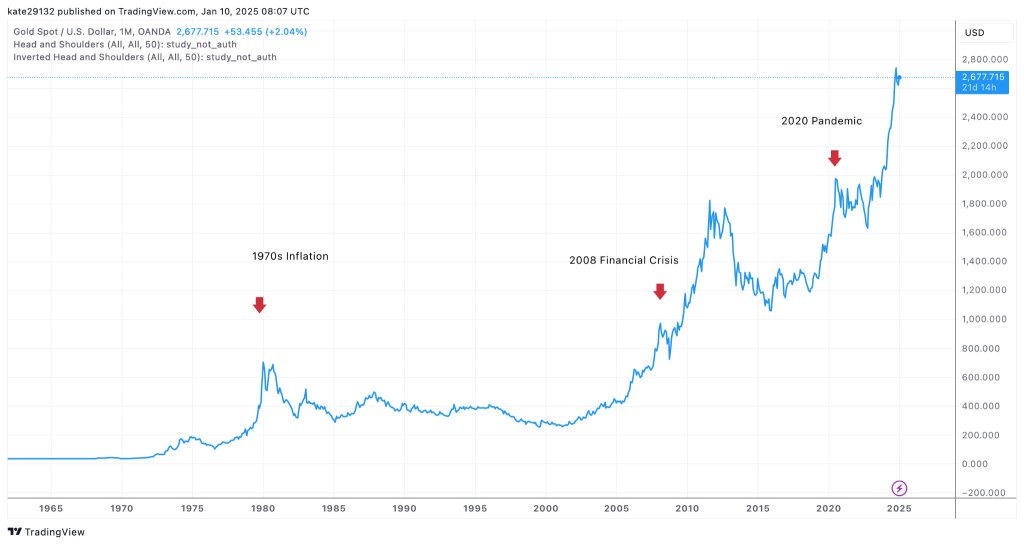
Gold has been a standout performer over the past year, but 2026 has already brought both highs and heart-stopping drops. In 2025, spot gold surged by approximately 64-67%, climbing from around $2,500/oz to record highs exceeding $4,500/oz by year-end. This momentum carried into January 2026, with prices gaining another 20-27%, pushing spot gold near $5,600/oz at one point. However, volatility struck hard: just recently, gold prices crashed 8% from their peak, dipping to around $5,180/oz in a single session amid heavy selling.
In the Indian context, these global trends translate to even more pronounced effects due to rupee dynamics. On the Multi Commodity Exchange (MCX), gold hit a lifetime high of Rs 1,80,779 per 10 grams earlier this month, before retreating. India’s gold imports swelled to $58.9 billion in 2025, a 1.6% increase despite elevated prices, underscoring persistent demand.
To visualize this upward trajectory with its recent pullbacks, here’s a chart showing gold’s historical performance leading into 2025-2026:
Reasons Behind Gold’s Price Swings
Several interconnected factors have fueled gold’s bull run while also triggering corrections:
- Geopolitical and Economic Uncertainty: Ongoing conflicts in the Middle East and Ukraine, coupled with trade tensions from U.S. tariffs under President Trump, have boosted gold’s safe-haven appeal. In India, this resonates strongly, as escalating U.S.-China-India tariff wars disrupt supply chains and heighten volatility.
- Weak U.S. Dollar and Monetary Policy: The dollar’s plunge to four-year lows has made gold more attractive, especially with the Federal Reserve’s dovish stance on rate cuts. Low real yields compress returns on other assets, drawing investors to non-yielding gold.
- Central Bank and Investor Demand: Countries like China, India, Poland, and Turkey are aggressively adding to their gold reserves to diversify away from the dollar. ETF inflows and Asian retail buying have surged, though recent profit-taking—exacerbated by rumors of a hawkish Fed chair replacement—led to sharp selloffs.
- Inflation and Tariff Concerns: Trump’s policies have stoked inflation fears, prompting more allocation to gold as a hedge.
Analysts predict gold could reach $5,000-8,000/oz by late 2026, but expect 15-25% corrections along the way.
Silver Price Fluctuations: Outpacing Gold with Industrial Twists
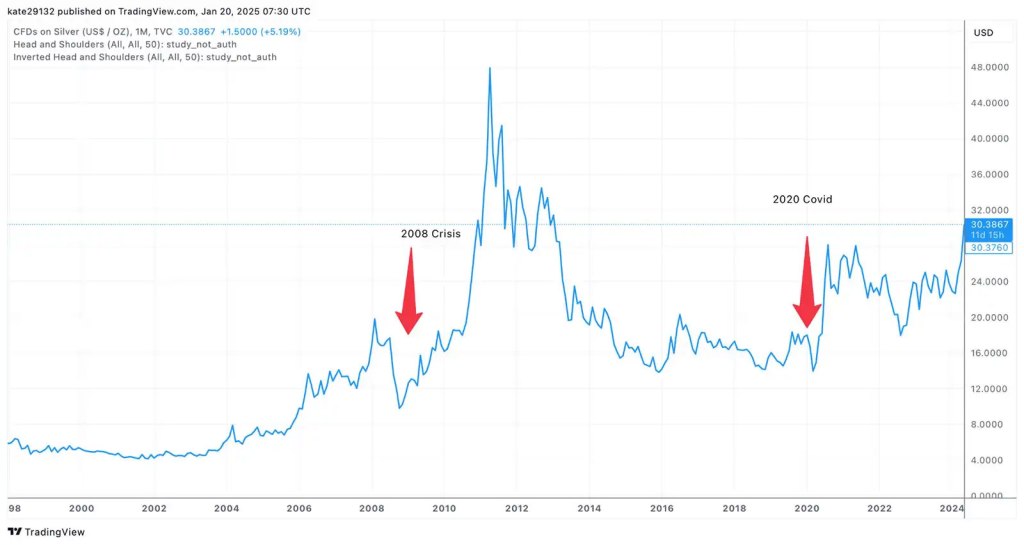
Silver has been the star sibling, outperforming gold with even wilder swings. In 2025, prices skyrocketed 147-150%, from modest levels to over $50/oz. Entering 2026, silver has gained 50-60% in January alone, hitting a record $121.64/oz before an 11% crash to around $109/oz.
Domestically, MCX silver touched Rs 4,20,048 per kg, with imports jumping 44% to $9.2 billion in 2025. This surge marks silver’s ninth consecutive monthly gain, its best streak on record.
Check out this chart illustrating silver’s explosive growth into 2025-2026:
Reasons Behind Silver’s Price Dynamics
Silver shares many drivers with gold but has unique industrial angles amplifying its volatility:
- Safe-Haven and Dollar Weakness: Like gold, silver benefits from geopolitical risks, a weaker dollar, and Fed policy shifts. However, its higher beta means bigger swings—corrections can hit 11% in a day due to profit-booking.
- Industrial Demand Surge: Unlike gold, silver’s use in solar panels, EVs, 5G, and AI infrastructure is booming. The Silver Institute projects 700 million ounces in demand for 2026, up 32% from 2020, amid supply constraints. China’s export restrictions on silver further tighten the market.
- Resource Nationalism and Tariffs: U.S.-China resource battles, including silver’s critical mineral status, add upward pressure. Tariff volatility disrupts global supply, benefiting silver as a hedge.
- Investment Flows: Strong ETF and physical demand, especially from China, supports prices, though overbought conditions lead to pullbacks.
Forecasts suggest silver could hit $100-150/oz in 2026, driven by these factors.
Implications for Indian Stock Markets
In India, where gold and silver are cultural and economic staples, these fluctuations have direct ties to equities. High prices signal uncertainty, often diverting capital from stocks to safer assets, pressuring broader indices like the Sensex and Nifty. The jewelry sector faces headwinds: record prices could dampen demand, impacting stocks of companies like Titan or PC Jeweller.
On the flip side, mining and commodity-linked firms (e.g., Hindustan Zinc for silver) may benefit from higher realizations. Surging imports widen the trade deficit, weakening the rupee and inflating input costs for import-dependent sectors like electronics and autos. Inflation from tariffs and a weak dollar could prompt RBI rate adjustments, affecting banking stocks.
Overall, while precious metals rallies reflect global risks, they often correlate with stock market dips during corrections, as seen in recent equity selloffs mirroring gold/silver crashes. Investors should monitor these as barometers for risk appetite.
Wrapping Up: Navigating the Precious Metals Maze
Gold and silver’s 2025-2026 saga underscores their dual role as safe havens and industrial essentials in turbulent times. While geopolitical strife, policy shifts, and demand-supply imbalances drive the upside, profit-taking and dollar rebounds ensure volatility. For Indian market watchers, staying attuned to these trends is crucial—they not only hedge portfolios but also signal shifts in economic health. Whether you’re a bullion enthusiast or stock trader, diversification remains key in this unpredictable landscape. What are your thoughts on where prices head next? Share in the comments!
Disclaimer
This article is for informational purposes only and does not constitute financial, investment, or trading advice. The views expressed are based on publicly available data and market trends as of January 30, 2026. Precious metal prices are highly volatile and can change rapidly. Past performance is not indicative of future results. Readers should conduct their own research and consult qualified financial professionals before making any investment decisions. The author and blog assume no liability for any losses incurred based on this content.


Leave a Reply