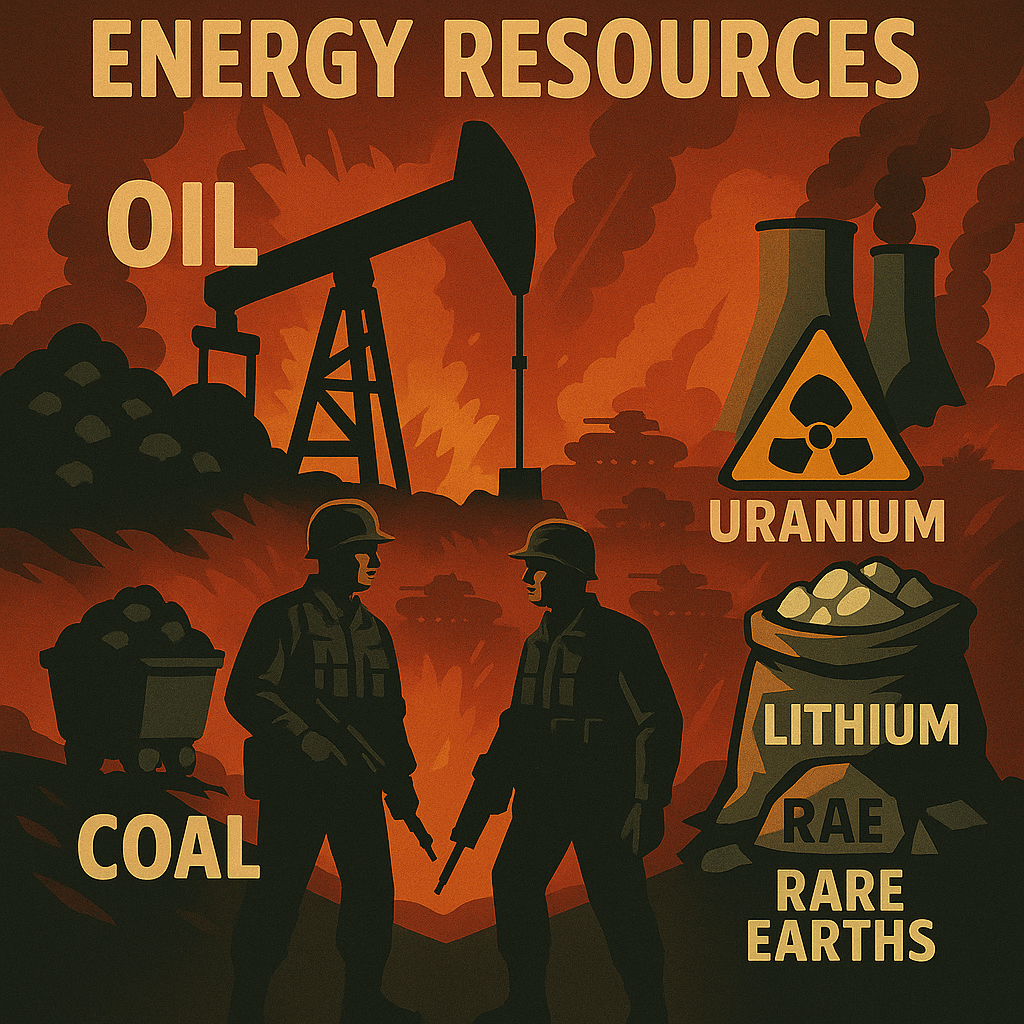
The world’s hunger for energy resources—crude oil, coal, nuclear fuels like uranium, and rare earth elements (REEs) such as lithium—is driving conflicts, destabilizing regions, and threatening global peace. As demand for these scarce resources skyrockets, nations and corporations are clashing over control, sparking wars and unrest. From oil-driven invasions to uranium rivalries and lithium grabs, the race for energy and nuclear resources is a growing crisis. Let’s dive into how this scramble is reshaping geopolitics and what we can do to stop the chaos.
Crude Oil: The Middle East Powder Keg
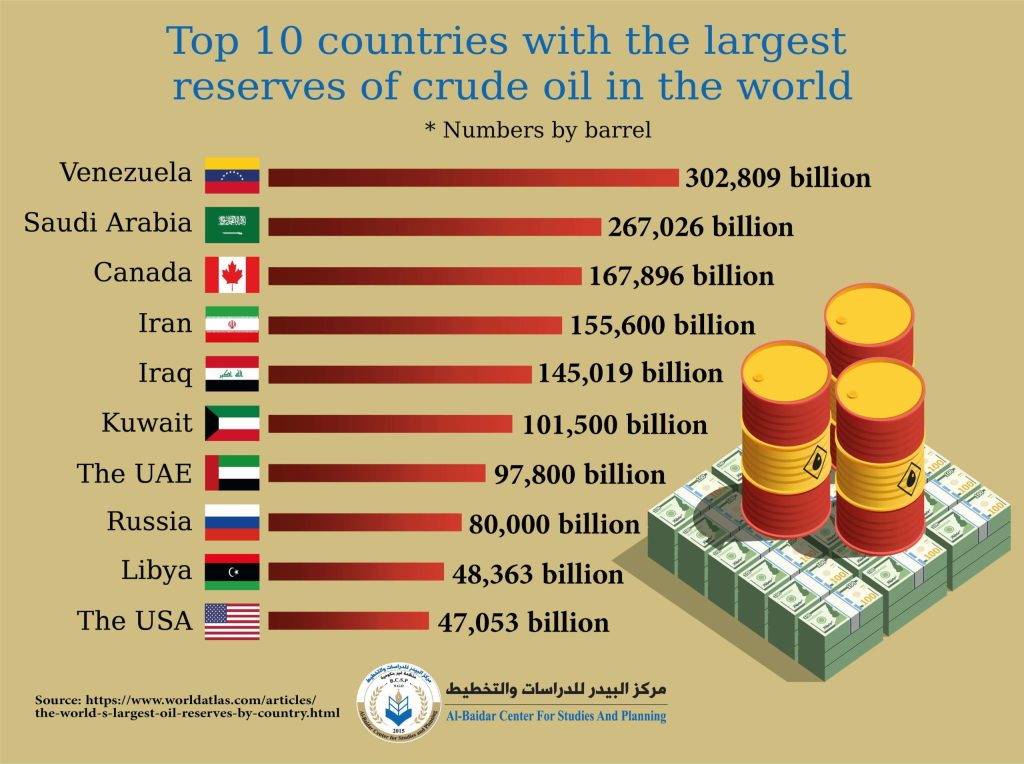
Crude oil, the backbone of global economies, has long fueled wars. The 1991 Gulf War saw Iraq invade Kuwait to seize its oil fields, while the 2003 Iraq War raised questions about securing oil reserves under the guise of other motives. These conflicts highlight how oil geopolitics can ignite full-blown wars, leaving devastation in their wake. Today, Middle East tensions—Iran’s oil gambit and Yemen’s Houthi attacks—keep Brent crude at $65/barrel, volatile and contested. Control over reserves and chokepoints like the Strait of Hormuz (20% of global oil flow) turns diplomatic talks into military standoffs, with nations wielding oil as a geopolitical weapon.
Coal: The Understated Conflict Fuel
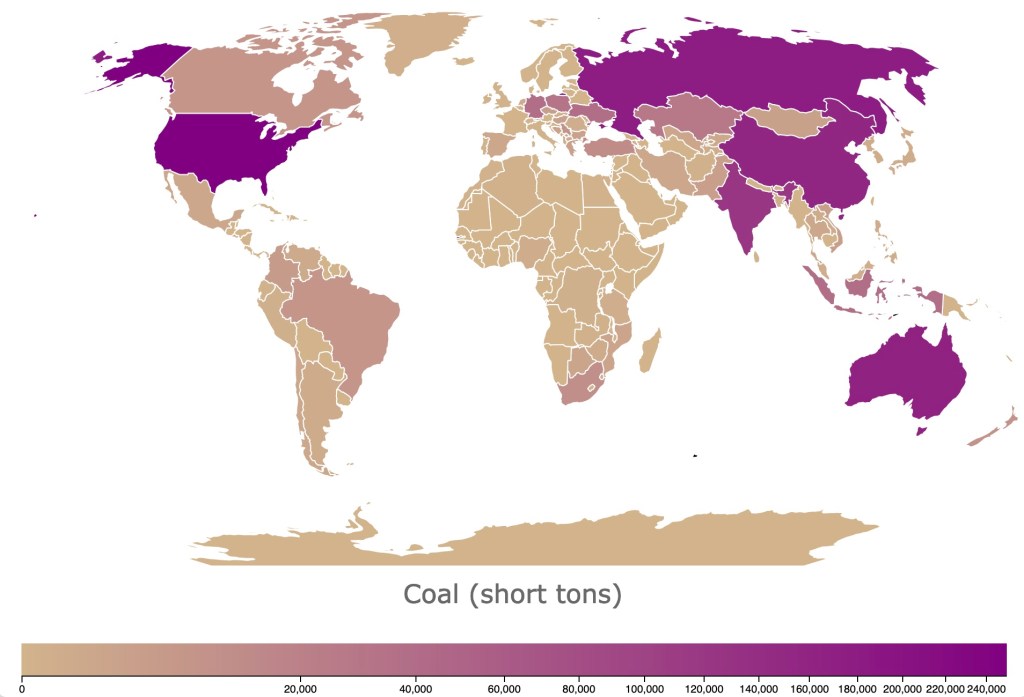
Coal, though less headline-grabbing, has its own bloody history. In the 20th century, coal-rich regions like Germany’s Ruhr Valley were strategic targets during World Wars I and II. Coal, still generating 35% of global power (2022 data), quietly fuels disputes. Its mining surge in India (up 7% in 2022) and China (1% growth) ignites land and pollution battles. Today, coal conflicts in Asia stir tensions over mining rights and environmental damage.
With oil and coal concentrated in regions like the Middle East and China, power imbalances breed mistrust, proxy wars, and disputes like those in the South China Sea over energy resource competition. The Ukraine-Russia clash, disrupting coal routes, underscores how energy shortages can escalate into broader conflicts as Europe seeks alternatives under sanctions.
Uranium: The Nuclear Flashpoint
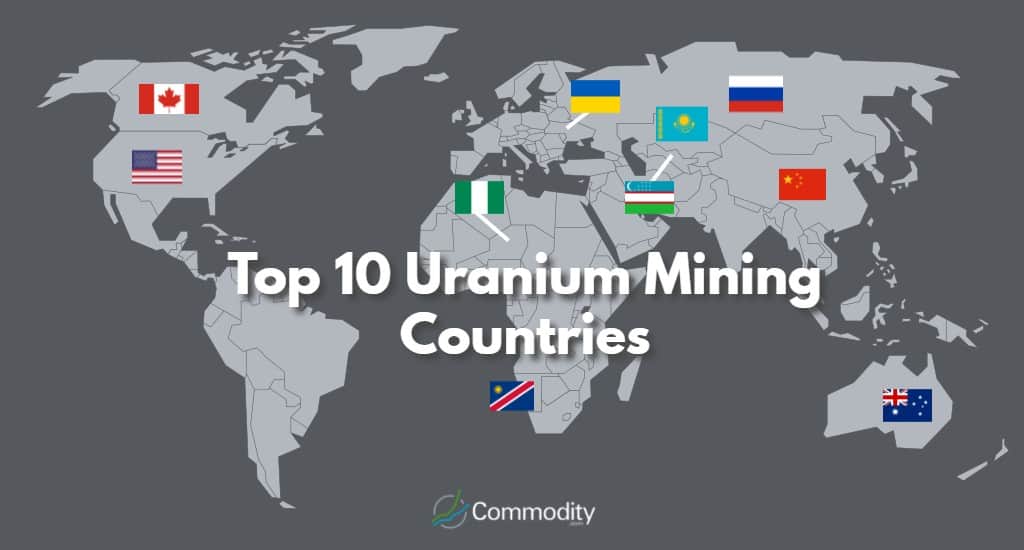
Nuclear resources, particularly uranium, add a volatile layer to the resource race. Uranium, essential for nuclear power and weapons, is scarce and tightly controlled, with major deposits in countries like Australia, Kazakhstan, and Canada. With global uranium demand up 15% in 2025 (World Nuclear Association), key deposits in Kazakhstan (40% of supply) and Canada are hot spots.
The nuclear resource race has fueled tensions, as nations seek energy security and military dominance. For example, Iran’s uranium enrichment program has sparked decades of international standoffs, sanctions, and fears of conflict in the Middle East. Similarly, North Korea’s pursuit of nuclear capabilities, reliant on uranium, keeps global powers on edge.
The competition for uranium also drives covert conflicts. In Africa, where countries like Niger hold significant uranium deposits, foreign powers and corporations vie for influence, often backing local factions or exploiting weak governance. These uranium conflicts destabilize regions, as seen in Niger’s ongoing insurgencies tied to resource extraction.
Lithium and Rare Earths: The Green Energy Battleground
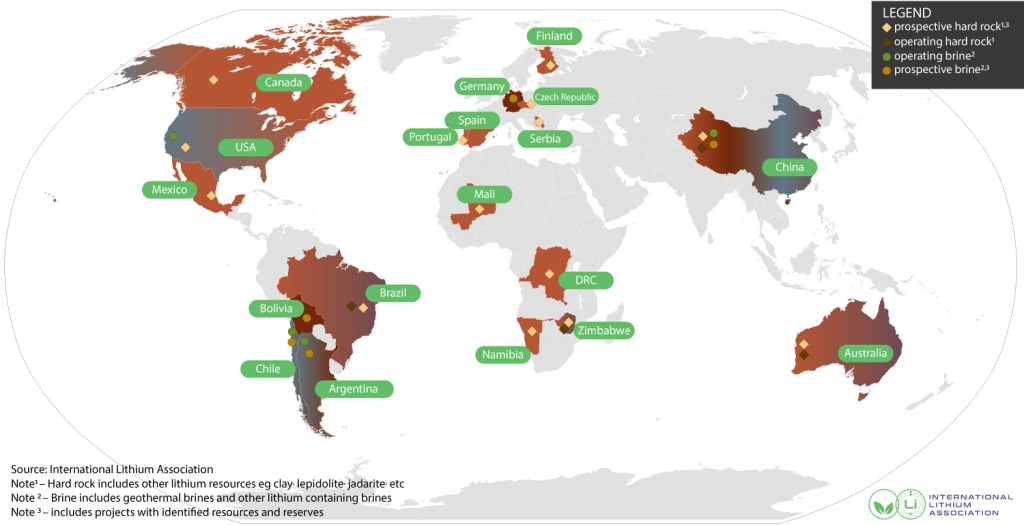
The shift to green energy has made rare earth elements like lithium and cobalt the new gold rush. Lithium, dubbed “white gold,” powers EV batteries and is concentrated in South America’s Lithium Triangle (Chile, Bolivia, Argentina).
Lithium demand could soar 40-fold by 2040 (IEA), but 65% of reserves are in Chile and Australia, with China refining 60% of REEs. The lithium wars have already caused trouble—Bolivia’s 2019 political crisis was linked to lithium deal disputes, showing how resource grabs can topple governments.
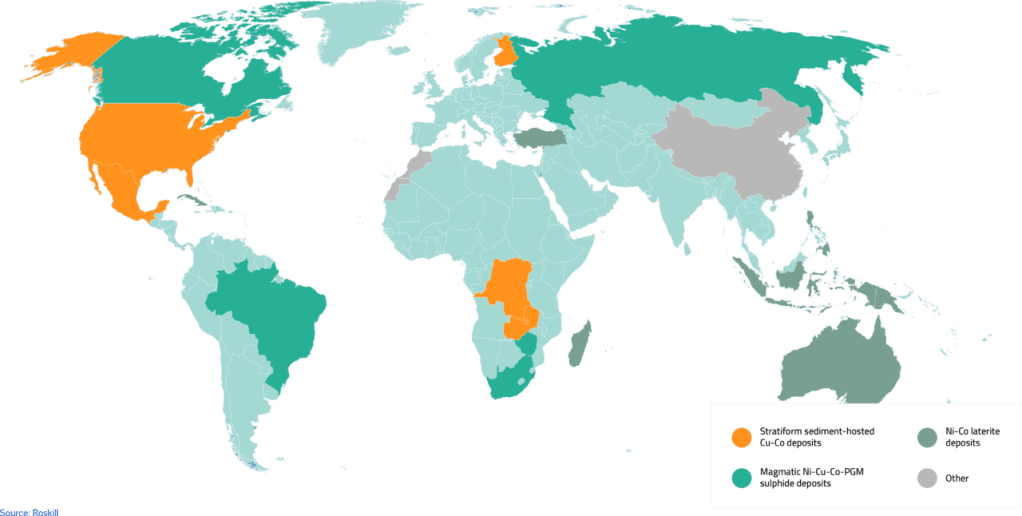
Cobalt, mostly mined in the Democratic Republic of Congo (DRC), is another hotspot. Armed groups control many mines, profiting from global demand for cobalt in batteries. This fuels violence, with foreign powers indirectly stoking conflict to secure supplies. China’s grip on 80% of the REE market adds tension, using rare earth geopolitics as a weapon—like when it cut off Japan’s supply in 2010. The U.S. and allies are scrambling for alternatives, but this race risks escalating into trade wars or worse.
How Resources Threaten Global Peace
Scarce resources don’t just start wars—they unravel peace. The 1973 oil embargo spiked prices and strained alliances, a warning still echoing. Lithium shortages could delay EV goals, pushing nations to seize mines, while uranium’s dual use (power and bombs) heightens nuclear risks. Coal disputes displace communities, fueling migration and instability. The common denominator? Power over energy dictates global dominance, and when supplies dwindle, diplomacy often bows to conflict.
The fight for energy and nuclear resources is a global tinderbox:
- Geopolitical Rivalries: The Arctic, rich in oil, gas, and uranium, is a new frontier for Arctic resource conflicts, with Russia, the U.S., and China staking claims that could spark military clashes.
- Proxy Wars: Nations back local factions to control resources, like in Yemen, where oil route conflicts fuel a brutal war.
- Local Unrest: Mining devastates communities, sparking protests and insurgencies. Nigeria’s Niger Delta, plagued by oil extraction conflicts, is a prime example.
- Economic Warfare: Sanctions or export bans, like China’s REE restrictions or uranium trade limits, can escalate into broader resource-driven conflicts.
Conclusion: Time for Smarter Resource Management
The race for oil, coal, uranium, lithium, and rare earths isn’t just about powering our world—it’s about control and survival. Without action, this scramble will keep fueling global resource wars and unrest. Let’s push for sustainability, fairness, and diplomacy to secure a peaceful future.
The antidote lies in diversification—solar (up 25% in 2022), wind, and recycling lithium or uranium from waste could reduce strain. Yet, the shift is sluggish, and until then, resource wars loom large. Investors, eye oil giants like Reliance (per my refiners post) or lithium plays, but brace for turbulence. The energy warzone is heating up—peace hangs by a thread.
What’s your take on this resource race—how can we stop it from tearing the world apart? Will oil, lithium, or uranium ignite the next conflict? Join the Golden maze hustle and drop your take!


Leave a Reply